1
Warmer Minimalism with More Texture
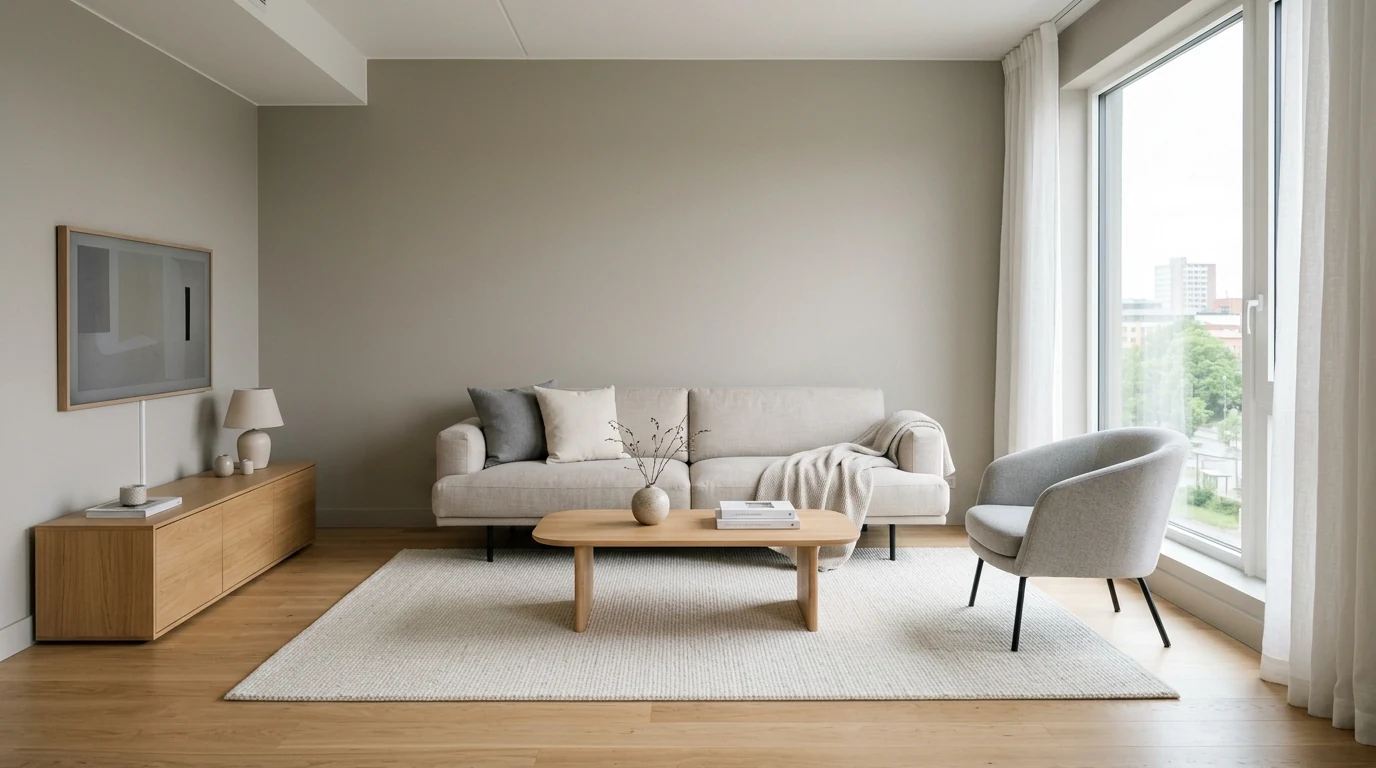
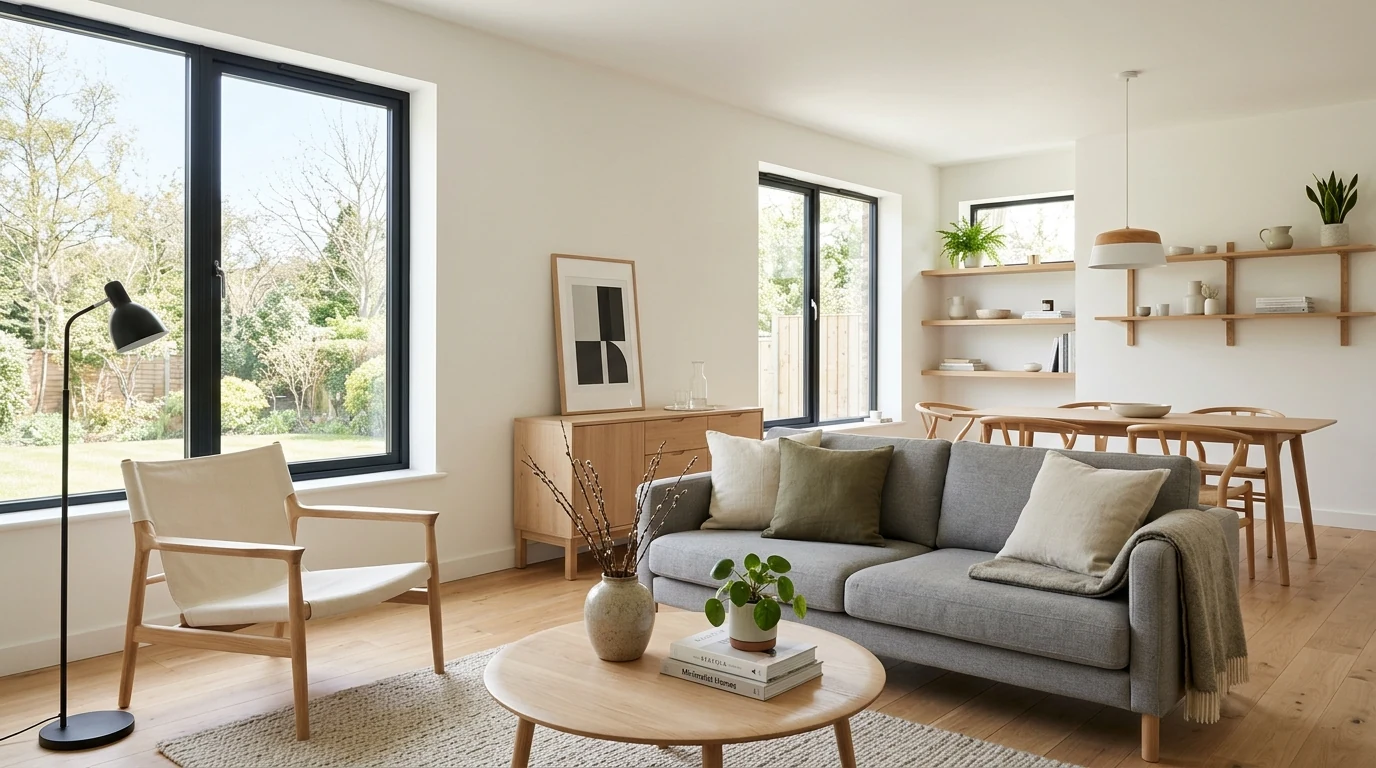
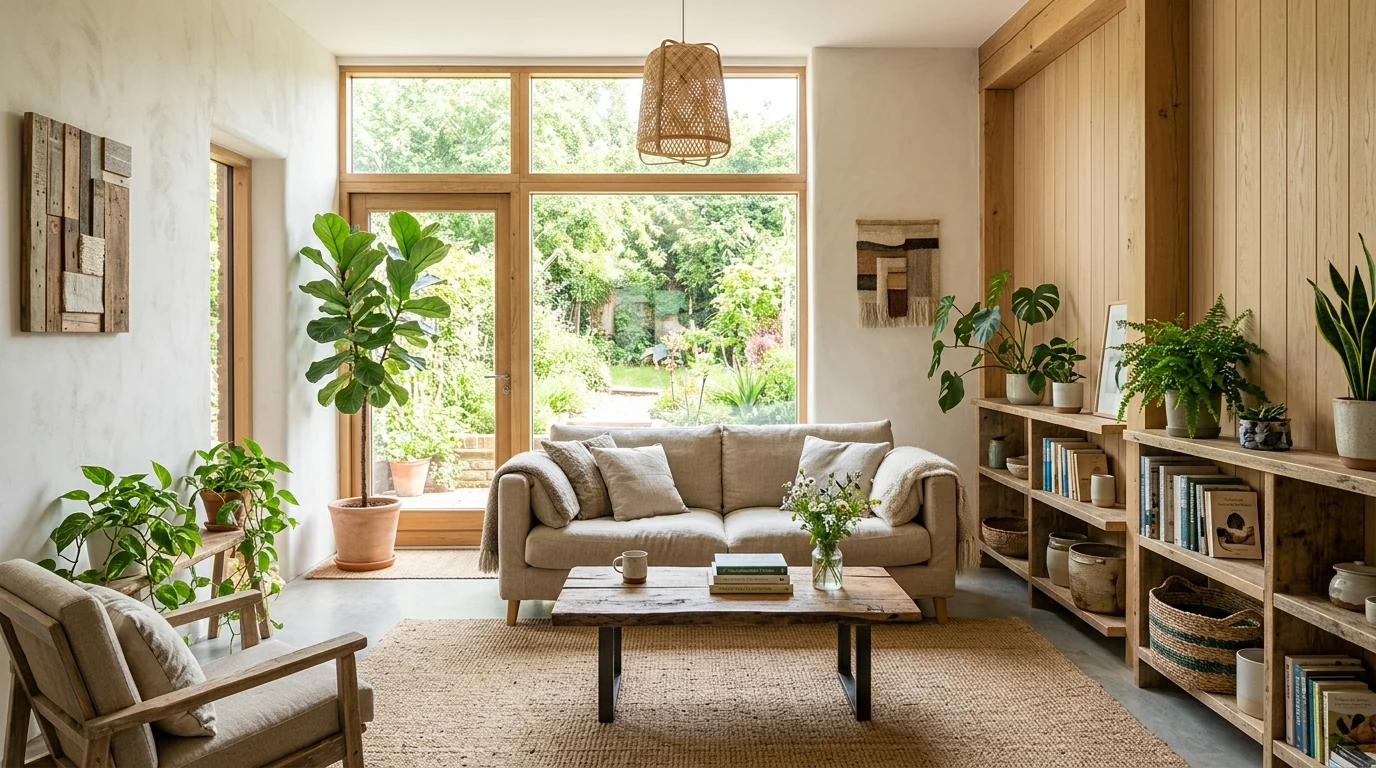
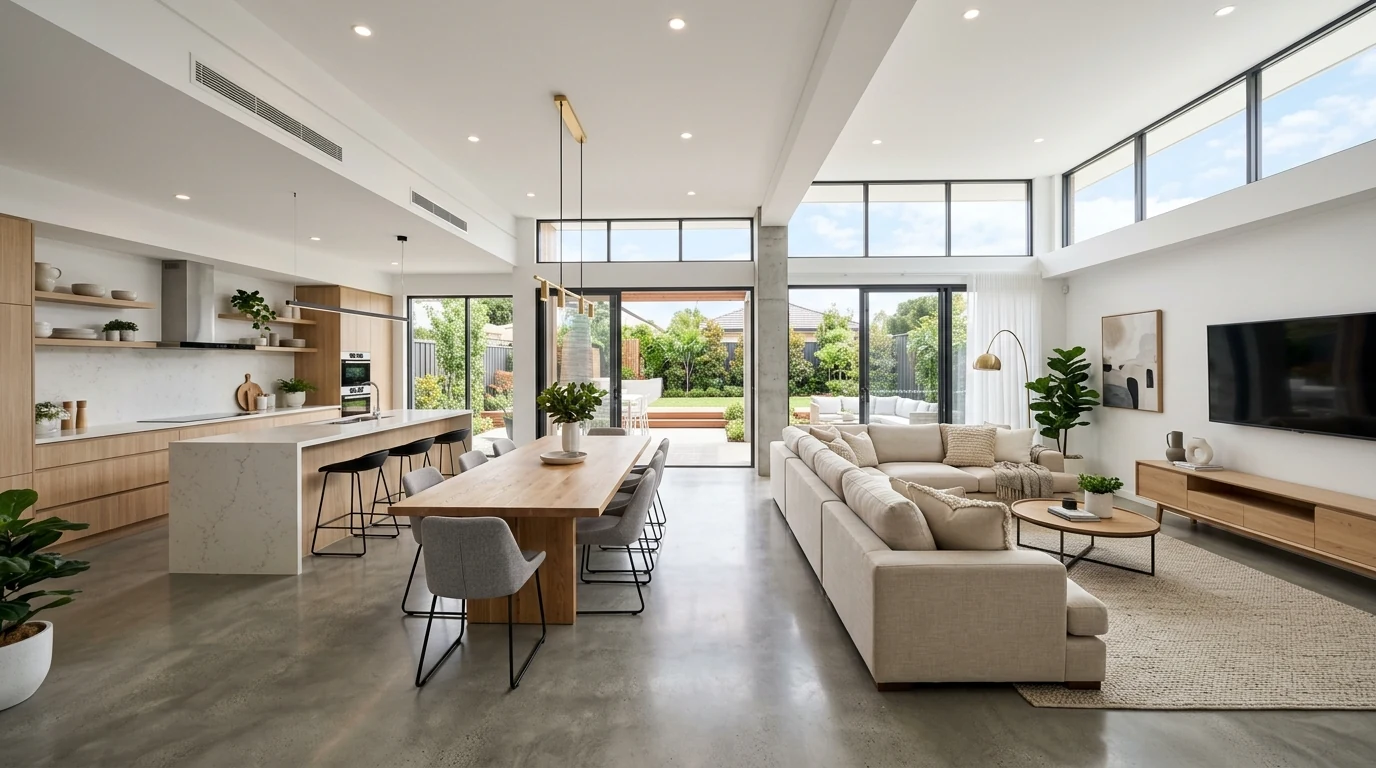
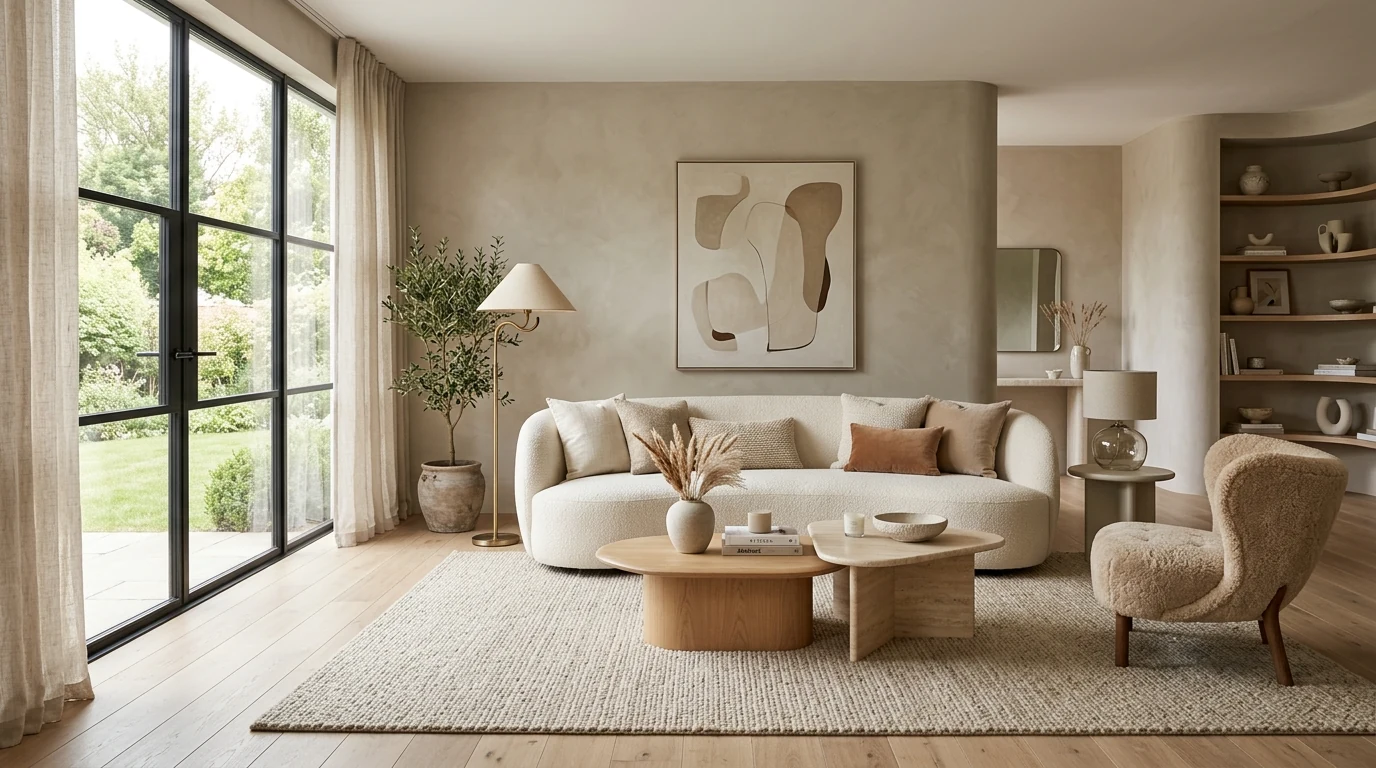
Minimal interiors are shifting away from starkness and toward softness. Texture, warmer neutrals, and natural materials keep the space clean without making it feel cold.
These 14 interior design trends cover warmer minimalism, richer wood tones, color-drenched rooms, better lighting, stronger storage, and more character-led styling.
Why This Works
Interior trends have become less about novelty and more about making rooms feel better to live in. The strongest ones support comfort, mood, and stronger material relationships instead of only surface-level change.
These trend directions show where interiors are heading most clearly, from richer textures and darker mood moments to more connected whole-home design thinking.
Minimal interiors are shifting away from starkness and toward softness. Texture, warmer neutrals, and natural materials keep the space clean without making it feel cold.
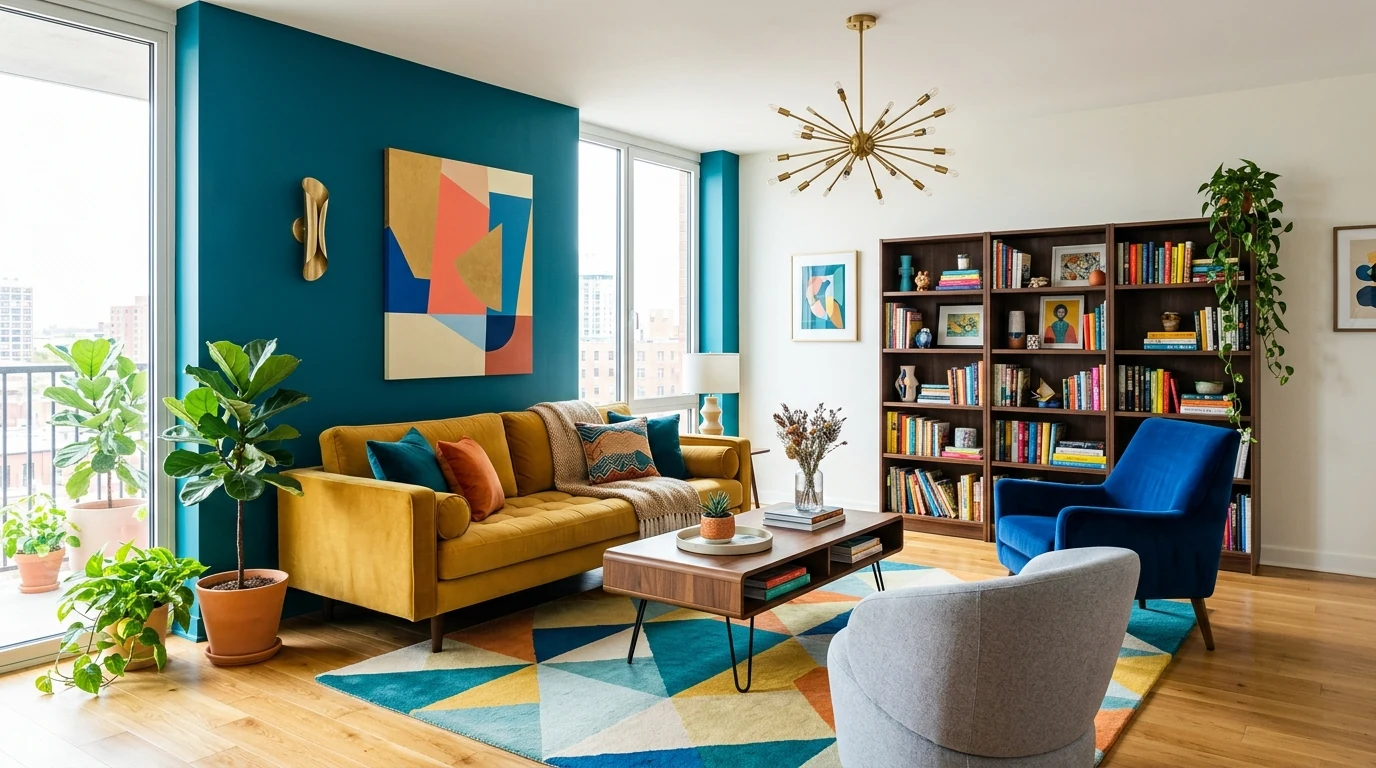
Using one color across walls, trim, and sometimes ceilings creates a richer atmosphere than a standard accent wall. It makes a room feel more immersive and custom.
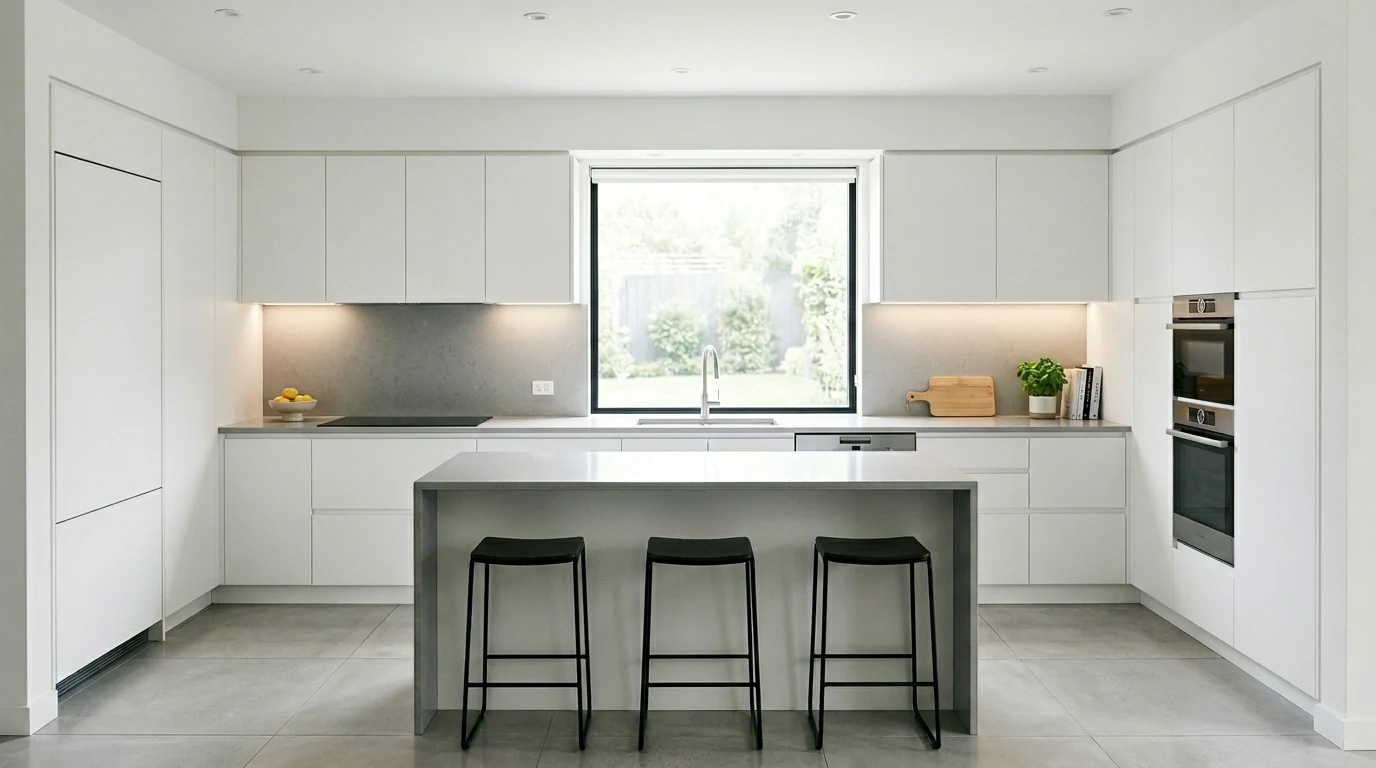
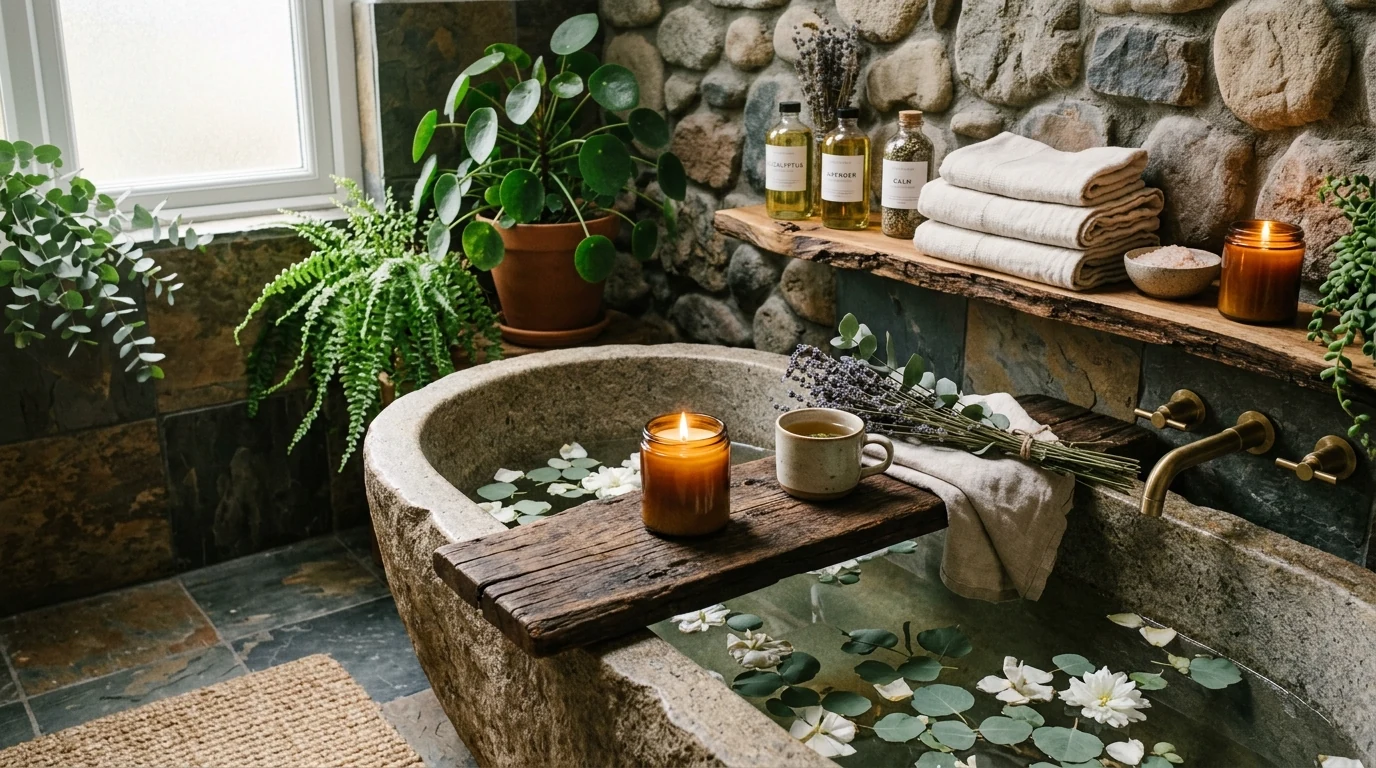
Stone is being used more boldly on islands, backsplashes, and vanities to create stronger focal points. It helps everyday rooms feel more designed.
Rounded furniture keeps rooms feeling softer and more current. Curves are especially effective when the architecture itself is more rigid or boxy.
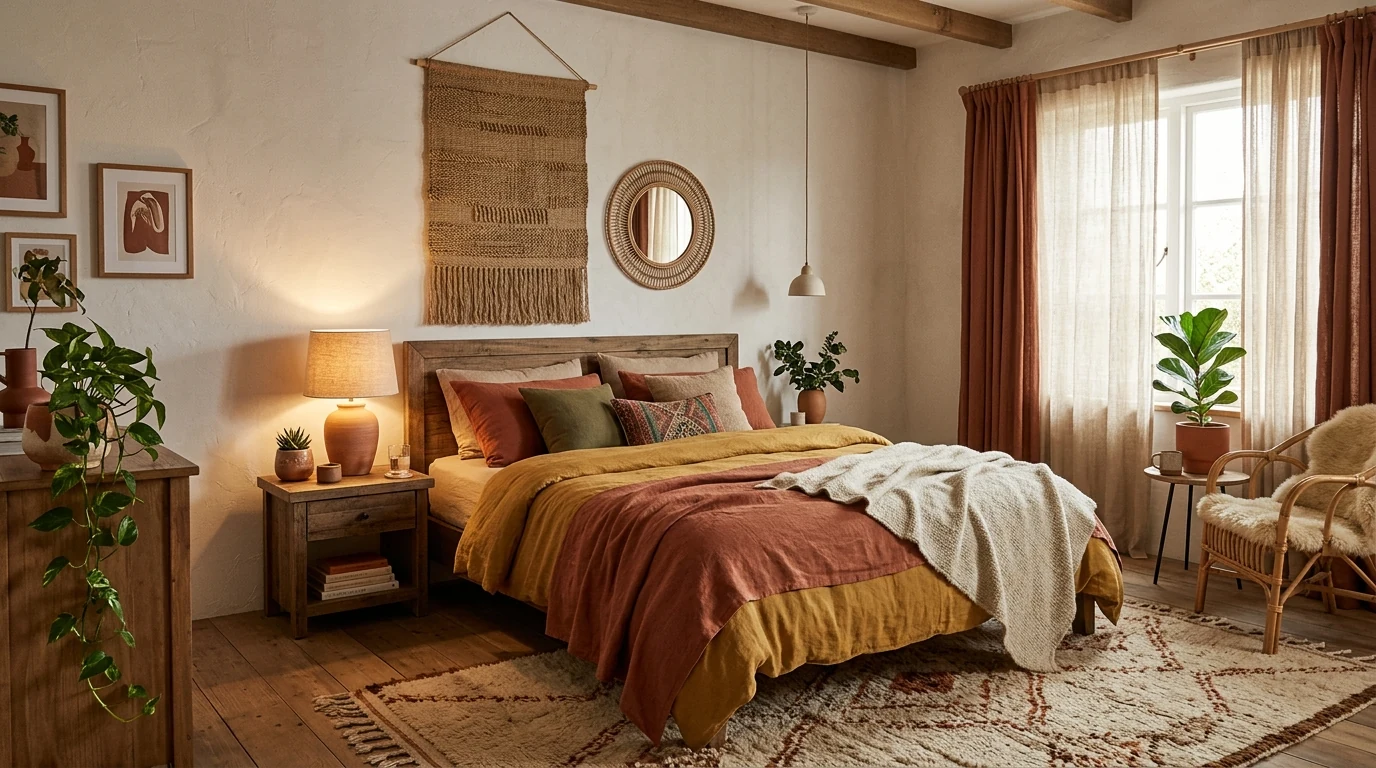
Deeper wood finishes are replacing the cooler pale look in many interiors. They bring warmth, depth, and a sense of permanence.
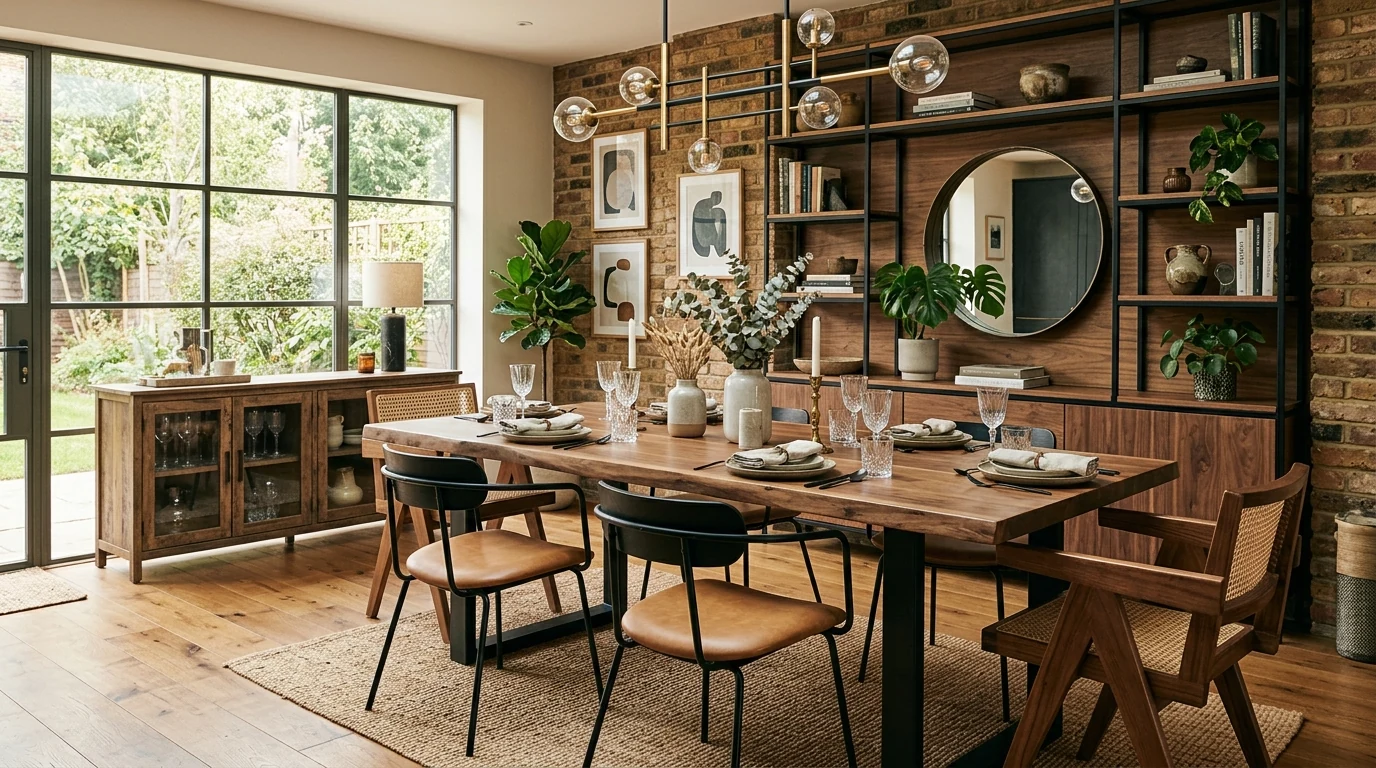
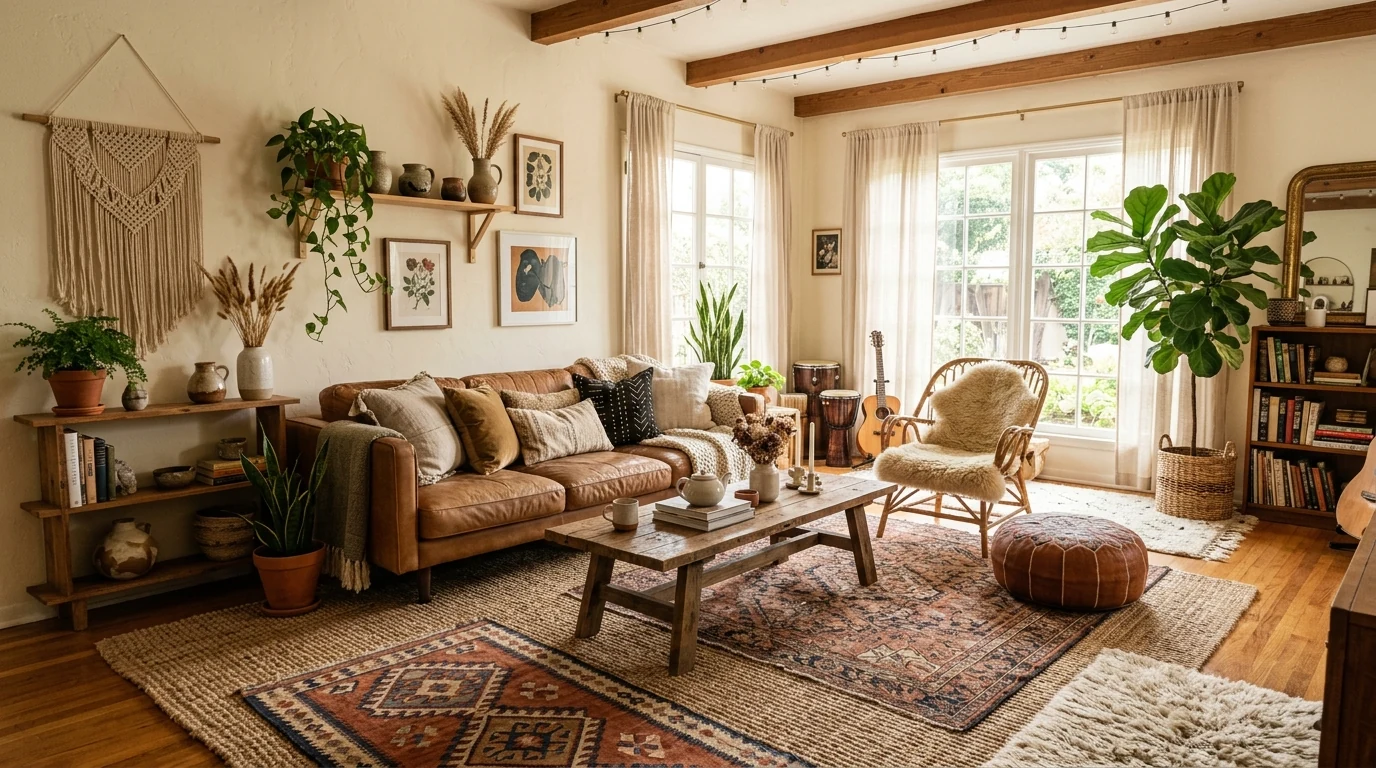
Rooms feel more sophisticated when they are not built from one era alone. Mixing vintage shapes with newer pieces creates a more personal, styled result.
Lighting is increasingly being treated like decor instead of just utility. Better lamp choices and more layered fixtures change the mood of a room immediately.
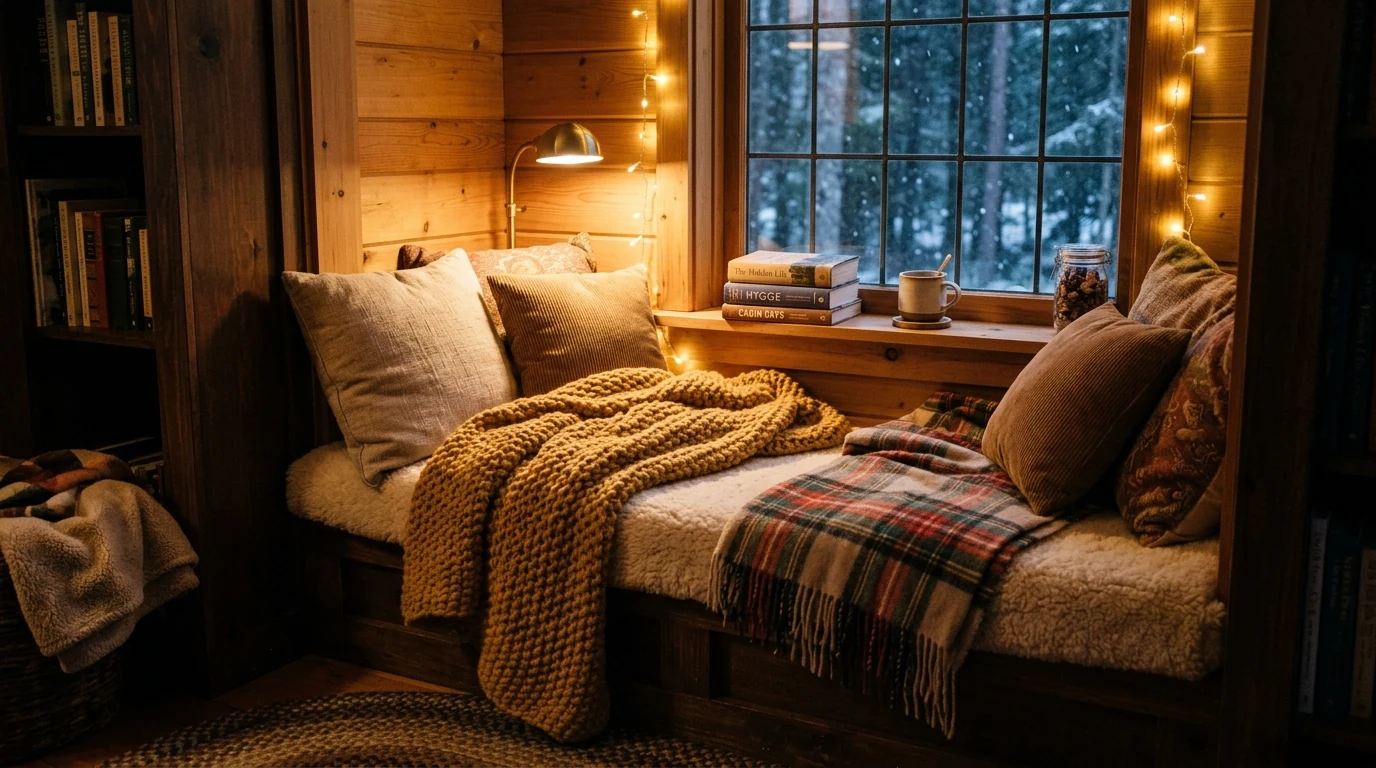
There is more emphasis now on homes that feel beautiful and easy to live in. That means deeper seating, better layouts, and materials that invite touch.
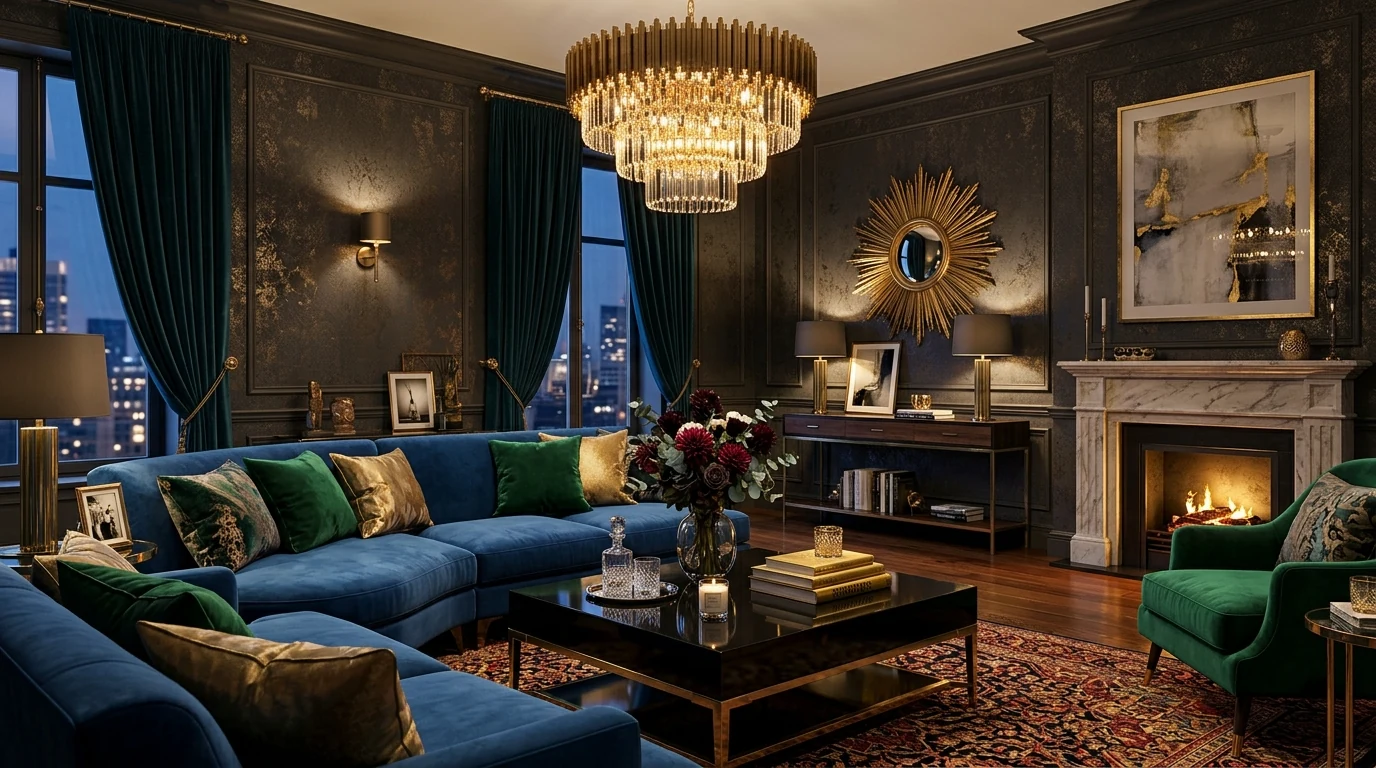
Not every room needs to be bright to feel beautiful. Studies, dining rooms, and powder rooms are embracing deeper tones and more atmospheric styling.
Wood, stone, linen, rattan, and plaster are being paired more intentionally across rooms. The repetition creates a more grounded, cohesive home.
Rooms are making more space for one strong visual statement instead of lots of small accessories. Art and sculptural objects are carrying more of the design weight.
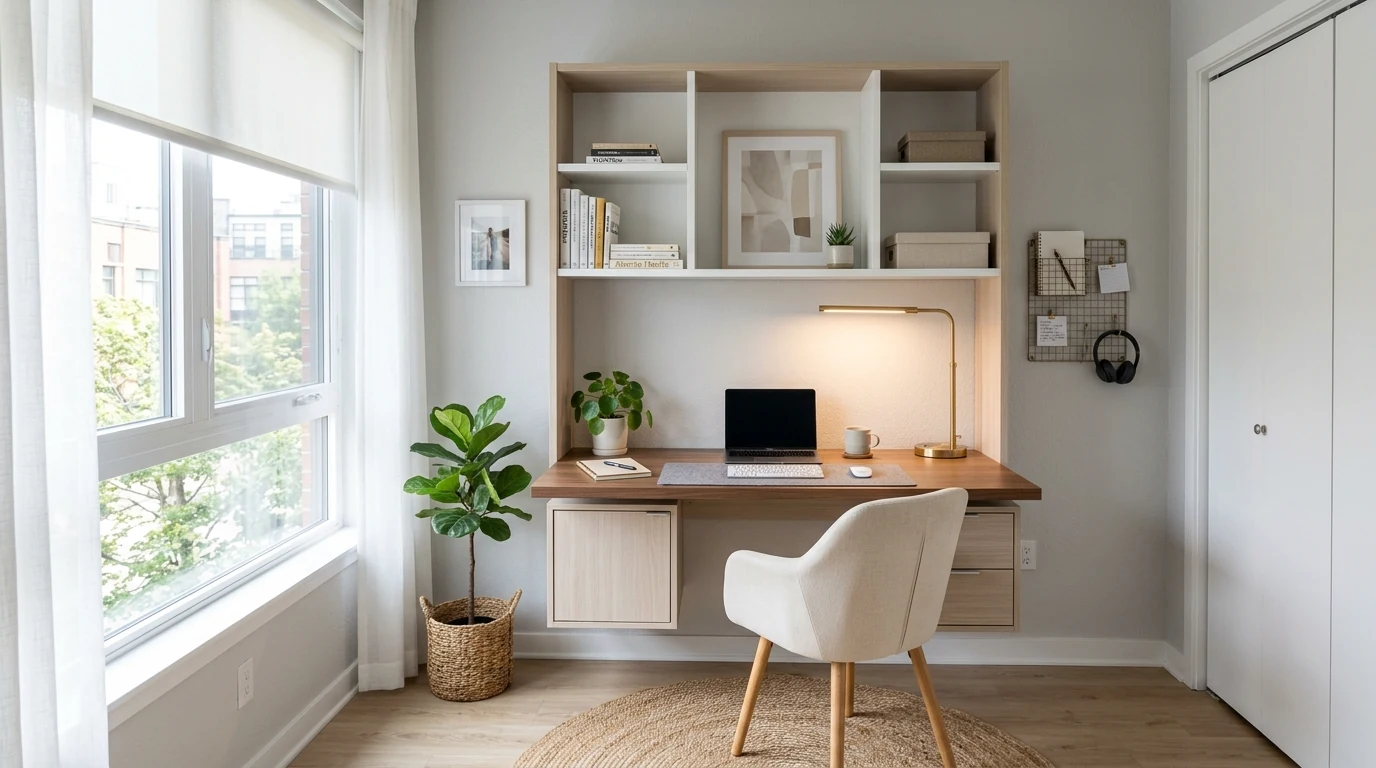
Custom-feeling storage helps homes stay cleaner and more visually calm. It is one of the biggest practical trends because it improves both beauty and function.
Contrast still matters, but it is moving toward gentler combinations rather than very sharp extremes. The result feels more livable and less severe.
The strongest design trends show up in how one room leads into the next. A more connected overall style is becoming just as important as any single statement piece.
Final Thought
The most stylish trends are usually the ones that make a home feel more complete rather than more performative. When texture, mood, function, and flow all improve together, the transformation lasts longer.